AI search is not eliminating the open web. It is changing which parts of the web still earn a visit.
The first wave of publisher anxiety focused on total traffic: if a search engine writes the answer, why would anyone click? The better economic question is what remains valuable after a summary has handled the obvious facts.
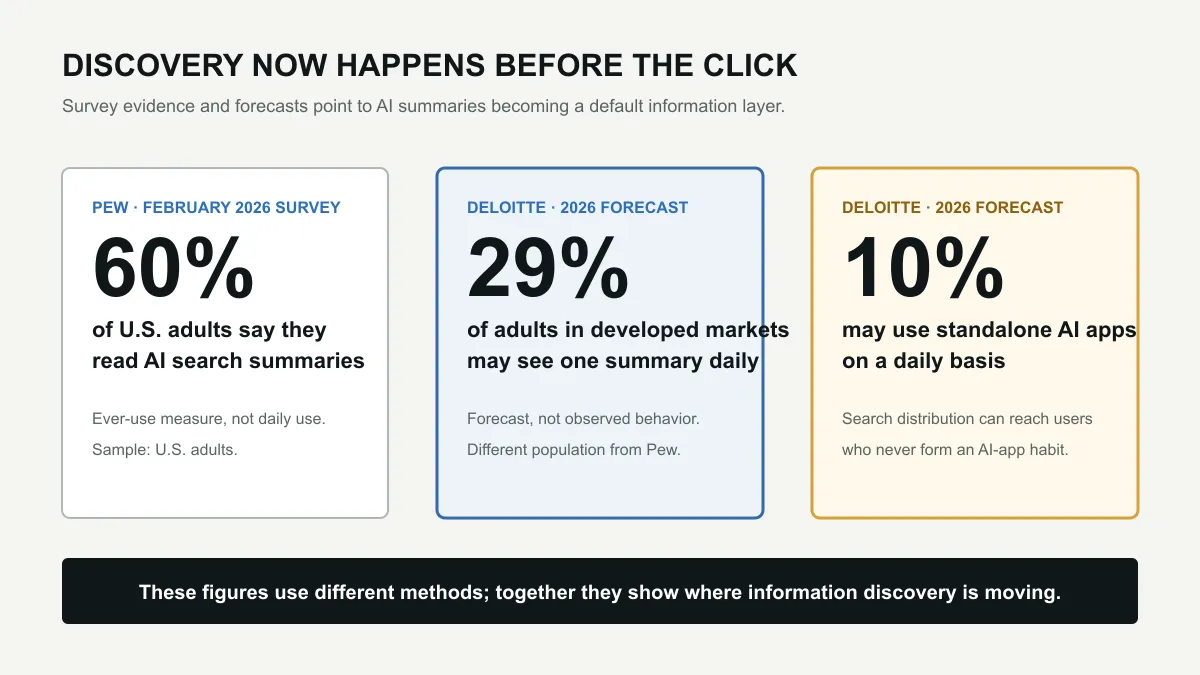
Deloitte’s 2026 technology forecast predicts that 29% of adults in developed markets will see at least one AI-generated search summary each day, compared with 10% who will use a standalone AI application daily. Pew’s February 2026 survey offers a different but complementary measure: 60% of U.S. adults say they have read AI summaries at the top of search results.
The answer layer is becoming ordinary infrastructure. Pages that exist only to restate common knowledge will be compressed first. Publishers with original evidence, recognizable expertise, useful tools, and direct audience relationships can become more valuable precisely because summaries need credible sources.
The search result is becoming a research session
Traditional search exposed a ranked list. Generative search can break a complex question into subqueries, retrieve several sources, synthesize an answer, and invite follow-up questions before a user visits any page.
Google describes this as “query fan-out” in its guidance for AI features and websites. AI Overviews and AI Mode may issue multiple related searches across topics and data sources, then display supporting links around the generated response. The unit of discovery is no longer one keyword matched to one page. It is a research path assembled from many retrievals.
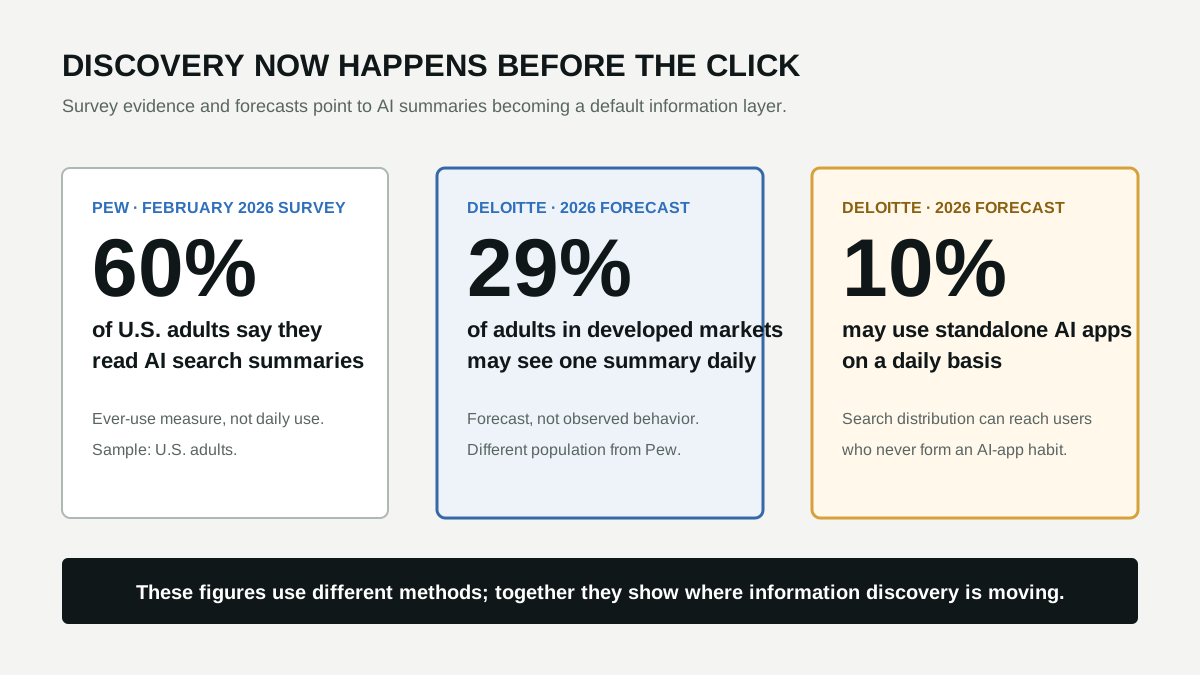
Figure: Pew measured whether U.S. adults had ever read AI search summaries; Deloitte forecast daily exposure in developed markets. The populations and methods differ, so the figures should not be combined.
For publishers, that creates two opposing effects. A page can appear for more specific subquestions than its headline targeted. It can also contribute a fact without receiving the visit that once followed a blue link.
Both can be true. Google says organic click volume remained relatively stable overall in 2025 and that clicks from AI-enhanced results showed stronger engagement. Those are platform-level claims, not a guarantee for any publisher. The web is large enough for aggregate traffic to remain stable while commodity pages, reference sites, and individual businesses lose important queries.
Commodity explanations lose their scarcity
A summary is most substitutive when the source page and the generated answer perform the same job.
Consider a page titled “What is retrieval-augmented generation?” If it repeats a standard definition, lists familiar benefits, and adds no implementation evidence, the user may have no reason to leave the search result. The content is accurate but economically interchangeable.
The same pressure applies to product roundups assembled from manufacturer descriptions, travel pages that remix public facts, and finance explainers that do not add calculations or decisions. These pages were already vulnerable to featured snippets and knowledge panels. Generative search increases the range of questions that can be answered without a visit.
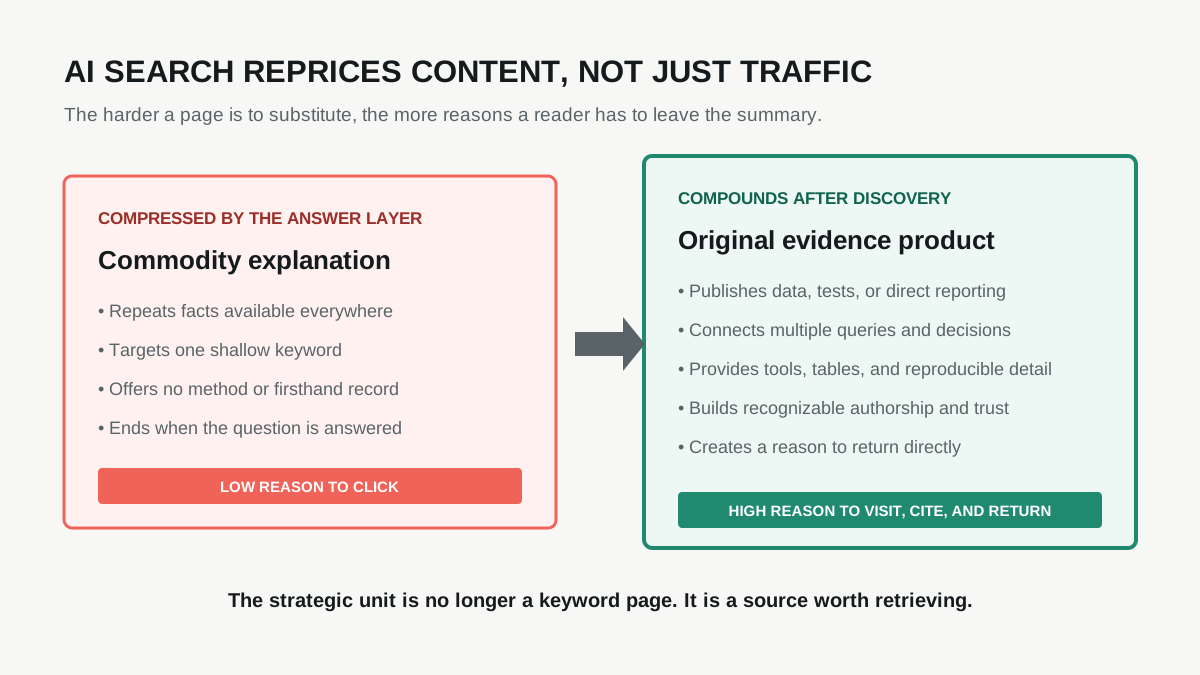
Figure: AI search can compress a common explanation, but it still needs source material for original measurements, reporting, tools, and trusted interpretation.
This does not mean explanatory writing disappears. Clear explanations remain necessary, especially when a subject is new or consequential. The economic mistake is treating the explanation as the entire product.
A durable page combines explanation with something difficult to reproduce: original data, a documented test, a calculator, a decision table, primary interviews, local experience, or a point of view that has earned trust over time.
Original evidence becomes a retrieval advantage
Generative systems need material to retrieve. A publisher that produces the underlying record can surface across many summaries even when the exact phrasing of the user’s query changes.
An original benchmark may answer questions about speed, cost, quality, hardware, and deployment constraints. A firsthand review may support queries about failure modes that never appeared in the title. A well-maintained dataset can become the reference behind dozens of secondary articles.
Google’s May 2026 guidance emphasizes valuable, unique, non-commodity content rather than a separate set of “AI SEO” tricks. That advice aligns with the architecture of query fan-out. A page earns more retrieval opportunities when it contains specific entities, methods, comparisons, and evidence that help answer multiple related questions.
The publisher’s strategy should therefore move from keyword inventory to evidence inventory:
- Which claims can we support better than anyone else?
- Which decisions can readers make with our data?
- Which methods are transparent enough to cite?
- Which pages become more useful when updated rather than replaced?
- Which authors or brands would a reader seek directly?
The strongest moat is not hiding content from AI systems by default. It is producing work that remains recognizable and useful when quoted, summarized, or compared.
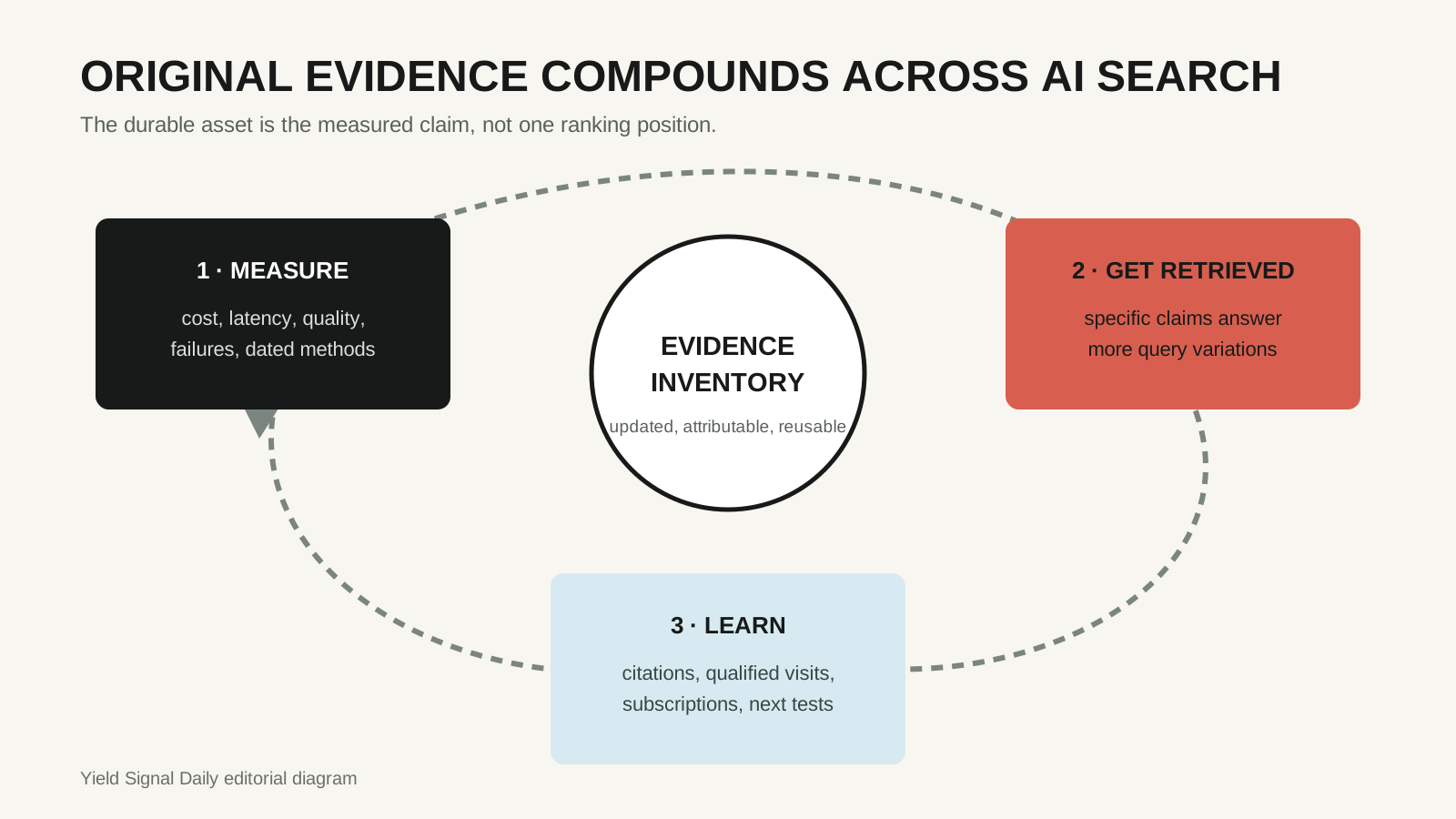
Figure: Original measurements create reusable claims, retrieval opportunities, qualified visits, and the feedback needed for the next test.
Search Console is beginning to expose the new funnel
Measurement has lagged behind the interface. For much of the AI Overview rollout, publishers could see Search traffic but could not isolate when a generative feature surfaced their pages.
Google announced dedicated generative AI performance reports in June 2026, beginning with a subset of websites. The reports provide a separate view of impressions within AI Overviews, AI Mode, and generative features in Discover while keeping the data inside overall Search performance.
That is progress, but impressions and clicks remain the top of the funnel. Publishers should connect them to engaged visits, subscriptions, leads, tool use, and direct returns. If AI search satisfies quick-answer demand, the remaining visits may arrive with stronger intent. A smaller audience can still create more value if it reads deeply, converts, and returns without another search.
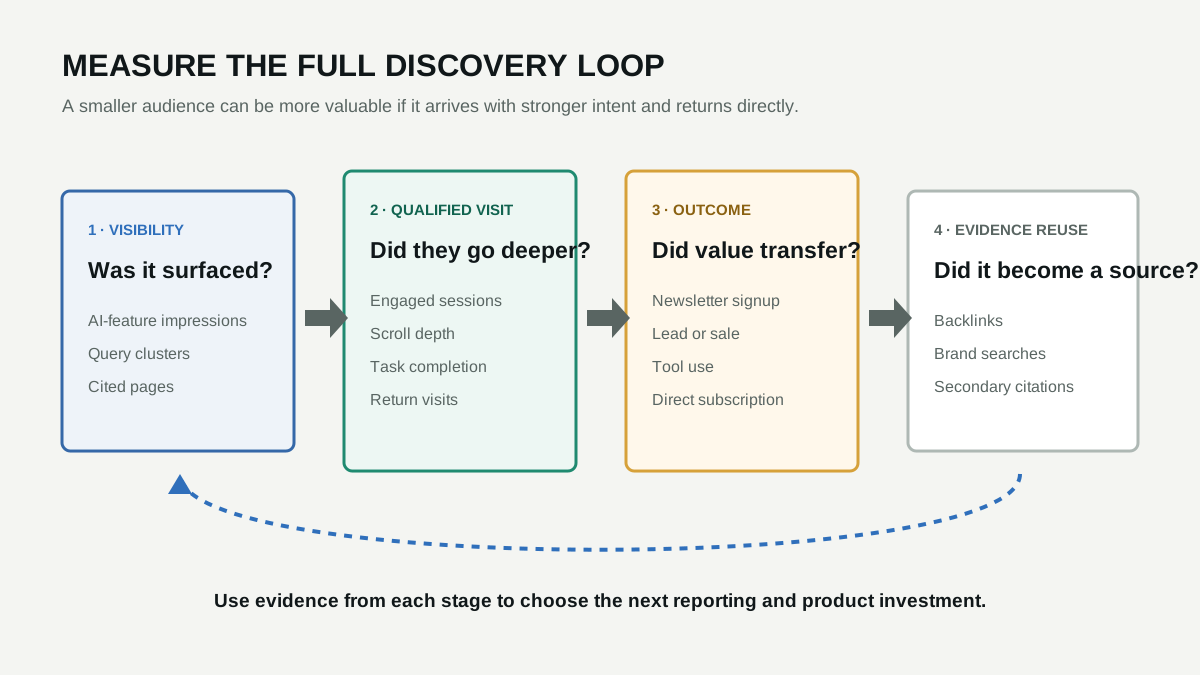
Figure: Visibility, qualified visits, business outcomes, and evidence reuse form a feedback loop. Raw click volume is only one stage.
Citation and brand measures matter too. Track backlinks to original reporting, branded search growth, newsletter referrals, and secondary coverage that names the source. A page can influence discovery without winning the immediate click, although that influence must eventually connect to a durable audience or business outcome.
A 90-day publishing response
Publishers do not need to rebuild every page for an imagined “answer engine.” Google’s official guidance says the same technical foundations still apply: pages must be indexable, eligible for snippets, accessible, and useful to people.
The higher-leverage response is editorial.
First 30 days: classify the archive. Separate original evidence, durable explainers, transactional pages, and commodity summaries. Identify pages whose only value is a short answer already visible in search. Do not refresh them mechanically.
Days 31 to 60: add source-level value. Turn the strongest explainers into evidence products. Add tested examples, dated observations, comparison tables, downloadable data, limitations, and named authorship. Link each claim to a primary record.
Days 61 to 90: instrument the full funnel. Record AI-feature visibility when available, but also segment engagement and conversion by landing page. Build direct distribution through email, feeds, community, and repeatable tools. The goal is not to escape discovery platforms. It is to avoid renting the entire audience relationship from one of them.
Publishers should also establish an attribution policy. Decide whether AI features may use snippets, how subscription content is exposed, and which pages should remain broadly retrievable. Google introduced additional publisher controls and subscription labels in 2026, but each site still needs a business rule for visibility versus exclusivity.
The durable web will contain fewer interchangeable pages
The web does not need every page that was profitable under ten-blue-link search to remain profitable under generative search.
AI summaries will likely reduce visits to pages whose value ends with a familiar fact. They may also create new discovery paths for specialized sources that could not rank for every conventional keyword. The distribution outcome will be uneven, and platform-wide claims cannot settle what happens to an individual publisher.
The practical bet is clear. Stop competing to paraphrase the same answer. Publish the measurement, artifact, experience, or judgment that an answer engine must retrieve and a serious reader still wants to inspect.
AI search is not making websites irrelevant. It is making substitute websites cheaper and source websites more important.
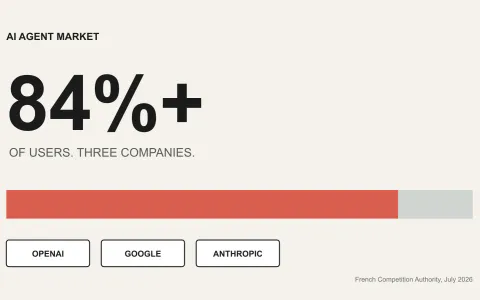
The same gatekeeper pressure is visible in the concentrated AI agent market and in the need for enterprises to own their AI learning loop instead of renting every layer.